Cat Dental Care: How To Prevent Gum Disease
Cats are pros at concealing pain, yet gum disease needn't be a stealthy battle. Cats, like humans, require proper dental care regularly to ensure the health of their teeth and gums. Neglecting their dental hygiene can result in pain, infections, and even life-threatening ailments. The good news? In a few easy steps, you can aid in preventing gum disease in your kitty and make their smile shine bright.
Why Cat Dental Care Is Important
Gum disease, or gingivitis, begins with plaque accumulation on teeth. If not cleaned away, this sticky bacterial film builds up into tartar, which inflames and sore gums. Gingivitis can progress to periodontal disease, which destroys the teeth' supporting tissues and bones. This is painful and can result in tooth loss and impact your cat's general health. Research has indicated that feline dental disease is associated with heart, kidney, and liver disease, so prevention is crucial.
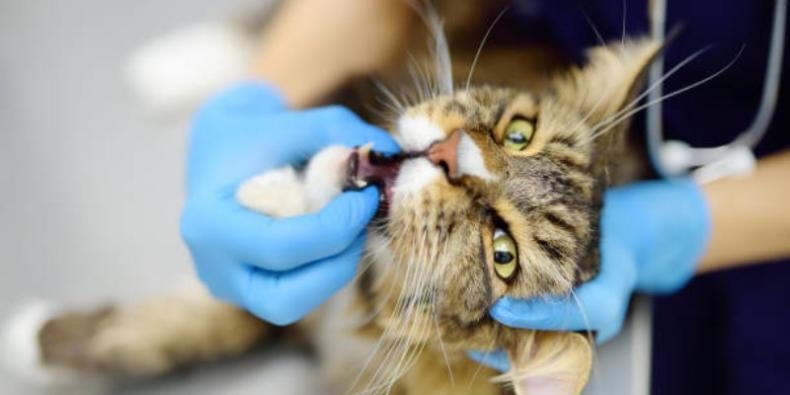
Cats are experts at hiding pain, so you may not see the signs of gum disease until it is severe. That is why early treatment is essential.
Common Causes Of Gum Disease In Cats
Awareness of the aetiology of gum disease empowers you to tackle it directly. The following are the main culprits:
Poor Oral Hygiene
If not brushed regularly, plaque builds up quickly. Cats don't rinse their mouths after meals, leaving food particles behind, creating a home for bacteria to develop.
Diet
Soft or sticky foods adhere to teeth and accelerate the formation of plaque. Dry kibble may remove debris, but it is not sufficient by itself.
Tooth Alignment
Teeth that are crowded or crooked are harder to clean, increasing the risk of trapping food and bacteria.
Age And Genetics
Older cats and certain breeds (e.g., Siamese or Persians) are prone to dental problems.
Neglect Of Veterinary Care
Missing out on yearly dental visits means issues go undetected until they're severe.
The Signs Your Cat Might Have Gum Disease
Cats will not inform you if their gums are sore, but their actions and appearance will. Look for:
Bad Breath: Offensive breath is abnormal and usually points to bacterial growth.
Red or Bleeding Gums: Gums must be pink, not puffy or bleeding.
Drooling: Excessive drooling may indicate mouth pain.
Difficulty Eating: Turning away food, dropping kibble, or chewing on one side.
Visible Tartar: Yellow or brown deposits on teeth.
Pawing at the Mouth: A sign of irritation or discomfort.
If you notice these signs, take your pet to the vet immediately. Early treatment prevents little issues from turning into emergencies.
Step-By-Step Guide To Preventing Gum Disease
1. Brush Their Teeth Regularly
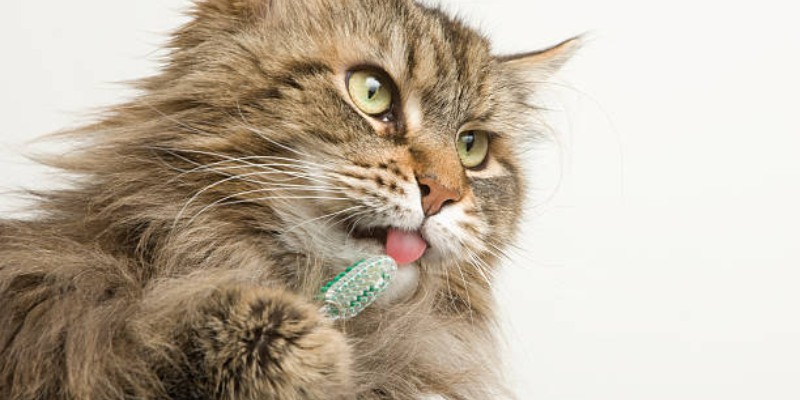
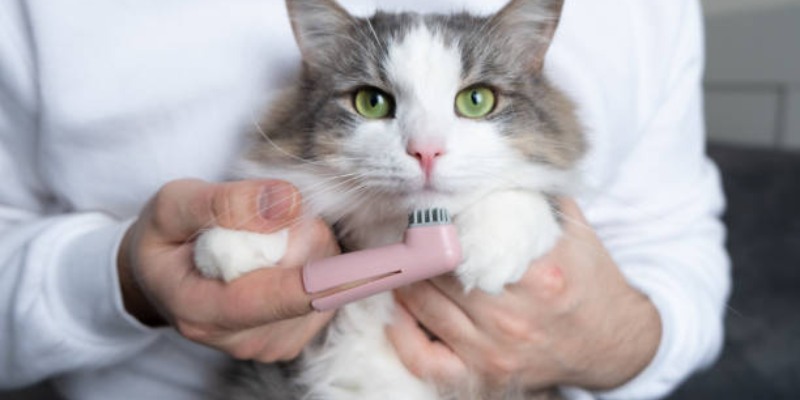
Brushing is the gold standard of cat oral health. Try for daily brushings, but even twice weekly is beneficial. Use a cat toothbrush and cat toothpaste (never use human toothpaste, which is poisonous to cats). Go slowly: Allow them to sniff the toothpaste, then brush a few teeth at a time. Reward or praise them so they'll associate with the good stuff.
2. Provide Dental-Friendly Diets
Certain cat foods are formulated to minimise plaque. Search for "dental care" indicated or veterinarian-recommended food. Feed raw meaty bones (such as chicken necks) occasionally, as chewing will clean teeth. Always supervise your cat when doing this to avoid choking.
3. Give Enrichment For Oral Health
Treats and toys are not just for playing—they can be dental tools. Rubber chew toys, dental sticks, or textured balls massage gums and strip away plaque. Choose vet-approved products for safety and effectiveness.
4. Arrange Yearly Vet Checkups
Your veterinarian checks your cat's mouth regularly but may suggest professional cleanings. These procedures involve scaling (removing tartar) and polishing, which are done under anaesthesia for safety. Although cleanings may seem foreboding, they are much less involved than treating advanced disease.
5. Add Water Additives Or Rinses
Antimicrobial water additives reduce bacteria in the mouth. Just add a few drops to the drinking water. Make sure to use products designed for cats and never use anything containing alcohol or strong-tasting ingredients.
When To See a Vet
Even with the best care, some cats develop dental issues. Contact your vet if you notice:
Persistent bad breath.
Loose or missing teeth.
Swelling around the mouth.
Sudden changes in eating habits.
Left untreated, gum disease can lead to infections that spread to the bloodstream. Your vet may recommend antibiotics, tooth extractions, or specialised treatments.
Myths About Cat Dental Care
“Dry food alone cleans teeth.” While it helps, kibble doesn’t replace brushing.
“Cats don’t need dental care—they’re self-sufficient.” Wild cats chew on bones, but indoor cats need human help.
"Anaesthesia-free cleanings are safer." These are superficial and don’t address plaque under the gumline.
Taking Action For Your Cat’s Smile
Preventing gum disease isn't complicated—it just requires consistency. You'll protect your cat's health and happiness by brushing regularly, offering the proper diet, and staying vigilant. Remember, a healthy mouth means a happier, longer life for your feline companion. Start today, and your cat will thank you with purrs and cuddles for years.
Recent Articles
Cat Dental Care: How To Prevent Gum Disease

A Holistic Approach to Caring for Your Senior Pet

16 Proven Tips for Keeping Your Pet Happy and Healthy

15 Friendliest Dog Breeds That Love Everyone They Meet

Dog and Cat Body Language: Common Signals to Understand